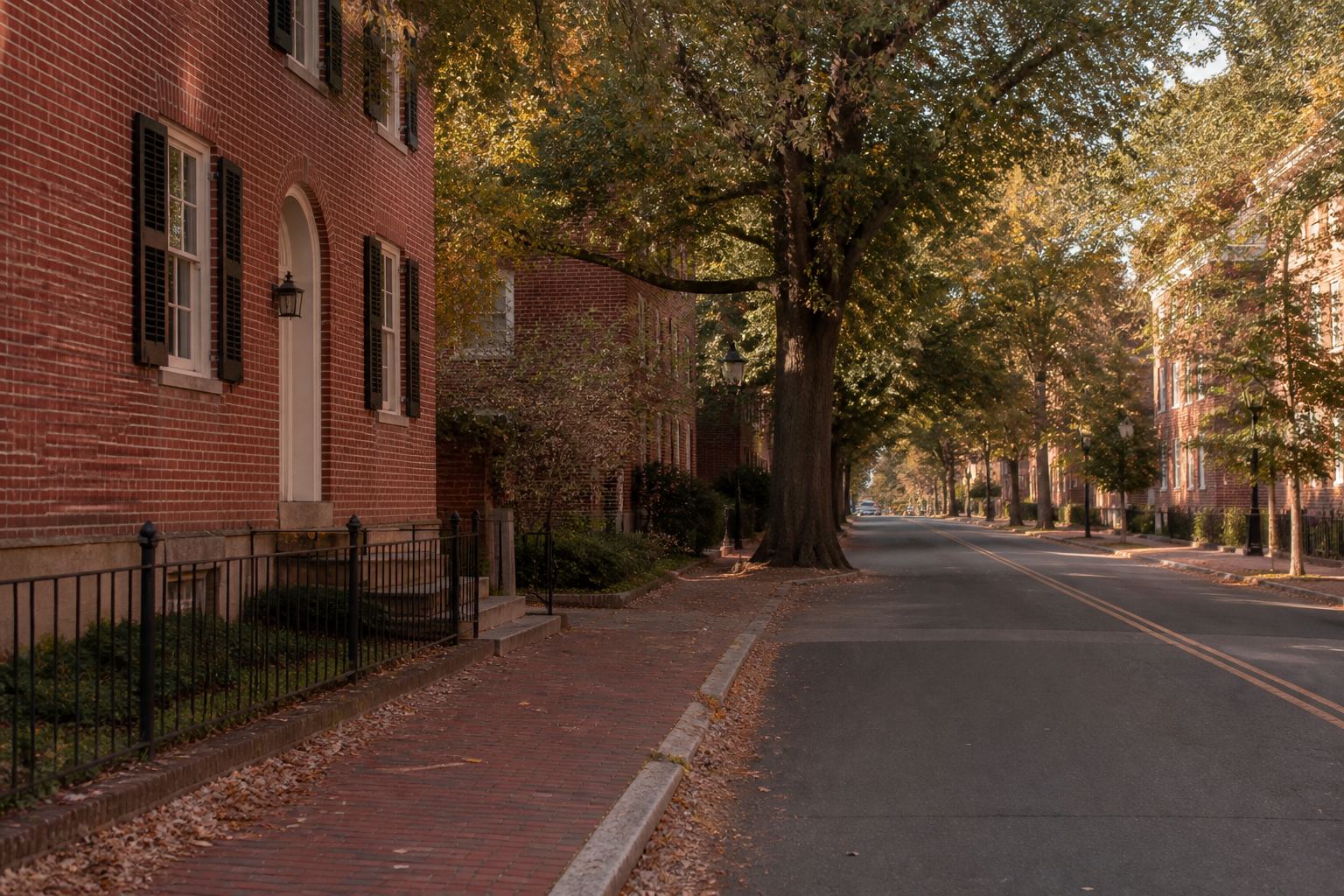
The version of the first year everyone describes involves finding your people by October. The actual version, for a lot of students, is a stretch of weeks where you're surrounded constantly and lonely anyway, sleeping badly, and quietly wondering whether you're the only one struggling this much. You are not.
What actually brings people in
Rarely a crisis. Much more often it's one of these:
- The gap between how it looks and how it feels. Everyone else appears to have landed. You're performing fine and feeling nothing like fine.
- Academic identity collapse. You were the student who didn't have to try. Now trying isn't enough, and it's landing as a verdict on who you are rather than as information about a harder curriculum.
- Something from home that followed you. Distance was supposed to help. Instead, without the routines that were holding it down, it surfaced.
- A night you don't talk about. Something happened — at a party, in a room, with someone you knew — and you've filed it as fine, and your body keeps disagreeing.
- Sleep that fell apart. Almost everything else gets worse downstream of this one, and it's usually the symptom people mention first.
Notice that only one of those sounds like a reason to see a trauma therapist. They're all reasons.
You don't need a big enough problem
The single most common thing students say in a first session is a version of I know other people have it worse. They usually say it in the first five minutes, like a disclaimer.
Suffering isn't ranked. There's no threshold you have to clear, and waiting until it's undeniable mostly means arriving later with more to untangle. If it's costing you sleep, or friendships, or the ability to sit in a lecture without your mind somewhere else — that's enough.
Homesickness, burnout, and depression are not the same thing
They feel similar from the inside, which is why sorting them out is genuinely useful rather than just a labeling exercise.
Homesickness tends to move — it's worse on Sunday, better when you're occupied, and it eases as new routines take hold. Burnout is depletion with a clear cause: you're running a load you can't sustain, and rest actually helps when you get it. Depression doesn't lift when circumstances improve. Good news bounces off. The things you used to enjoy still don't land.
And then there's trauma, which can wear any of those costumes. If your reaction seems out of proportion to what's in front of you — a tone of voice that empties you out, a place on campus you route around without deciding to — that's usually not an overreaction. It's an old response firing on a current cue.
The practical objections, answered
“I don't have time.” It's one hour. You will spend more than that this week on something you won't remember. The real barrier is usually not the hour — it's that scheduling it makes the problem official.
“Will my parents find out?” If you're eighteen or older, your sessions are confidential, with narrow and specific exceptions around immediate safety that get explained plainly at intake. If you're under eighteen, communication expectations with parents are agreed up front, so nobody is guessing.
“The counseling center has a waitlist.” Campus counseling is a real resource and worth using, especially for anything urgent. It's also usually built for short-term work with a session cap. If what you're carrying is older than this semester, a private therapist you can stay with is a different kind of fit — and the two aren't mutually exclusive.
“I'm going home for the summer anyway.” That's an argument for telehealth, not against starting. Sessions can continue over video wherever you are, as long as you're physically in a state where your therapist is licensed — here, that's New Jersey, Virginia, and North Carolina.
What the first month looks like
Session one is a conversation: what's going on, what you want to be different, what's already been tried. Nothing gets excavated. Nobody asks you to tell the worst story on day one.
From there we build something usable before we go anywhere difficult — grounding, sleep, the specific pressure points of your week. If we move into EMDR, that comes after, at a pace you set.
Most students notice the first change somewhere in the third or fourth week, and it's rarely dramatic. It's sleeping through the night. It's getting through a class without checking out. It's realizing you haven't rehearsed a conversation in your head all day.
If you're in Charlottesville
The office is at 501 Faulconer Drive, a short trip from Grounds, and there's parking — which matters more than it should when you're deciding whether to keep an appointment. Plenty of students do a mix: in person when the week allows, video when it doesn't. See the office →
And if you're reading this at 1am in a dorm room deciding whether any of this applies to you: the consult is free, it's fifteen minutes, and nobody is going to talk you into anything.


Ready when you are.
Free 15-minute consult — meet Stacey, ask anything, and see if it feels right. Zero pressure.
Book a Free Consult